Asian Hornet Monitoring Basics
Strategic monitoring methods for effective Asian hornet management
The goal of monitoring is to capture queens in Spring before they start a new nest and in Autumn before they hibernate. If you capture any hornet, it's imperative that you inform the authorities immediately.
Seasonal Monitoring Strategies
Spring Monitoring
March - May • Target: Emerging Queens
Target hibernated queens before they establish colonies
Recommended Bait
Sweet attractants (fruit juices, wine, beer)
Placement Strategy
Near potential nesting sites, sunny locations
Summer Monitoring
June - August • Target: Workers & Foragers
Monitor colony activity and worker populations
Recommended Bait
Protein baits (fish, meat) combined with sweet lures
Placement Strategy
Near beehives, flowering plants, water sources
Autumn Interception
September - November • Target: New Queens
Intercept new queens before hibernation
Recommended Bait
High-energy foods (honey, overripe fruit)
Placement Strategy
Potential hibernation sites, tree lines
Understanding Monitoring Station Components
The Lure System
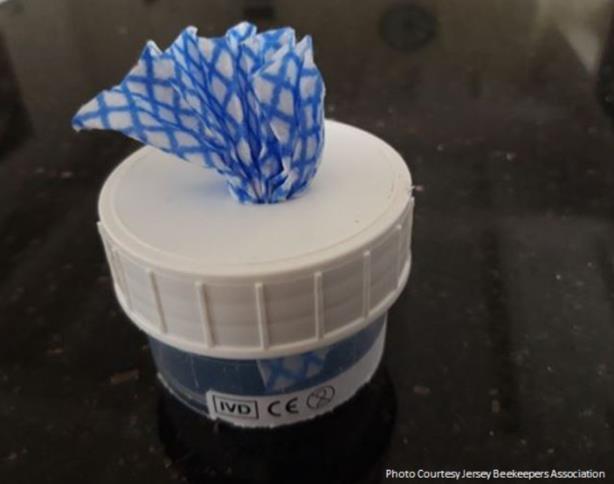
Commercial Lures
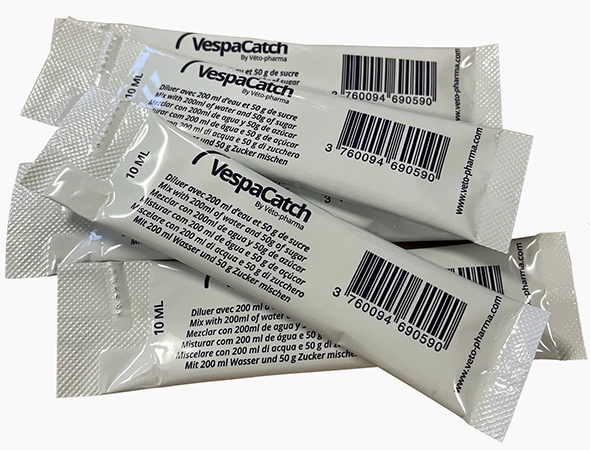
VespaCatch
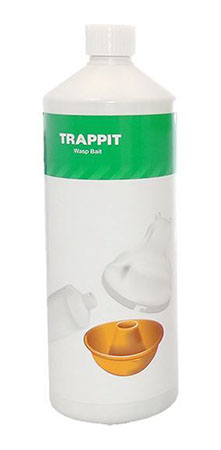
Suterra/Trappit
- • VespaCatch: Dissolve 50g sugar in 200ml water, add one 10ml sachet
- • Suterra/Trappit: Use as-is without adding sugar syrup
Homemade Baits
- • Spring: ⅓ dark beer, ⅓ white wine, ⅓ syrup
- • Summer/Autumn: Mashed prawns or cat food (spoils quickly)
Monitoring Station Construction
Critical hole sizes: Queens need 9mm holes, workers need 7mm, and escape holes for bycatch should be 6mm (small enough to retain hornets).
Commercial Options
- • VespaCatch: Popular standard monitoring station
- • VespaCatch Select: Designed to minimize bycatch
- • JABEPRODE: French-made alternative option
DIY Solutions
- • 3D printed monitoring stations with minimal bycatch design
- • Homemade monitoring stations using common materials
- • Ensure 9mm entrance holes for queens
Station Placement Guidelines
Near Apiaries
50-100 meters from hives
Close enough to intercept hunting hornets, far enough to avoid attracting them to hives
Flowering Areas
Adjacent to nectar sources
Hornets visit flowers for energy, making these high-traffic areas
Water Sources
10-20 meters from streams/ponds
Hornets need water for nest building and cooling
Forest Edges
At woodland borders
Preferred nesting habitat transition zones
Important Considerations
Safety First
- • Never approach or disturb active nests
- • Wear protective clothing when checking monitoring stations
- • Keep monitoring stations away from public areas
- • Contact professionals for nest removal
Bycatch Management
- • Use selective monitoring stations to minimize native species impact
- • Check monitoring stations regularly (preferably daily)
- • Release beneficial insects caught accidentally
- • Choose monitoring stations with escape holes for non-target species
Maintenance & Disposal
- • Refresh bait every 2-3 days or when spoiled
- • Clean monitoring stations between uses
- • Dispose of bait responsibly
- • Report any captures to authorities immediately